
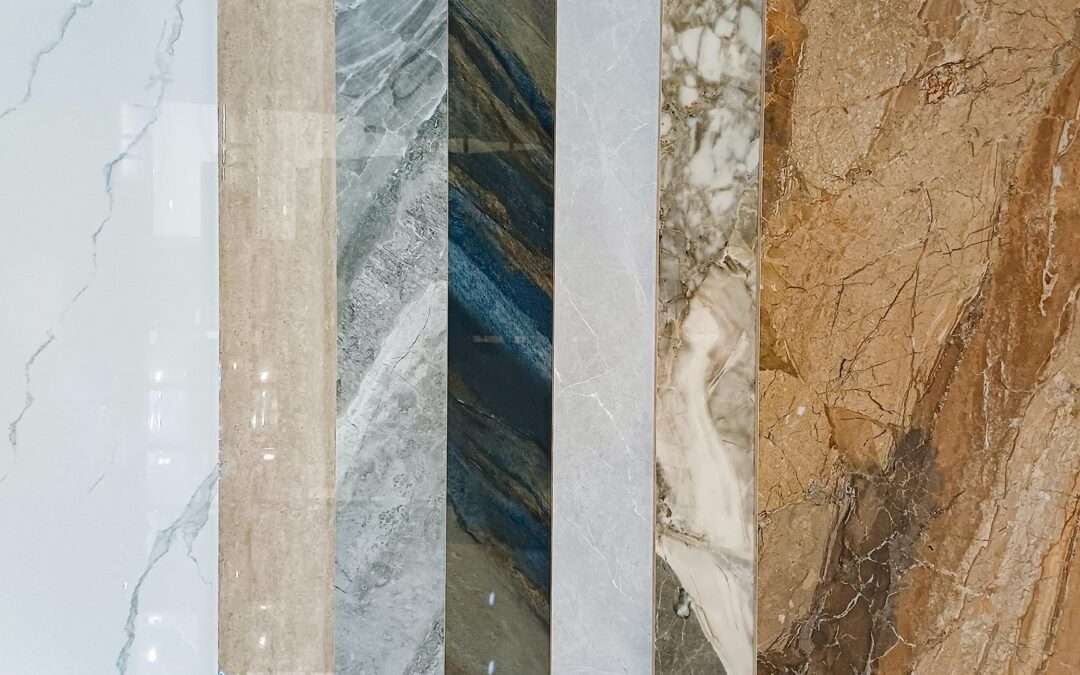
Whether you’re ready to remodel or just starting to explore your options, a common question we’re asked is: which countertop material is best? There is no single right answer, as it depends on your style, budget, and how you use your space. But to help you make a more informed decision, this blog introduces the countertop materials we sell and we’re breaking down the two most popular choices: quartz and granite.
What are my options for countertop materials?
When it comes to countertops, there are so many materials to choose from. While quartz and granite are the most popular, it is important to consider other options that might be better suited to your project’s goals. The countertop materials we can get at Tommy D’s include:
- Quartz: a very popular, engineered, man-made surface that has designs made to mimic other surfaces that is very durable and requires little to no maintenance.
- Granite: a natural, unique, and solid stone surface that is highly durable and well-known for countertops. Granite requires maintenance since it is naturally occurring.
- Laminate: a budget-friendly option made from particleboard and printed plastic that require little maintenance, but are less durable due to their composition.
- Solid Surface: a seamless countertop material composed of mineral dust along with acrylic, resins, and pigments that are low-maintenance, but sensitive to chemicals.
- Dekton: a newer, ultra-compact surface ideal for outdoor kitchen use.
- Quartzite: a premium natural stone cut into slabs for countertops that requires maintenance and homeowners to see and choose in-person at a slab warehouse.
- Marble: an elegant material made from naturally occurring metamorphic rock that requires extra care due to it being soft and porous alongside routine maintenance.
- Butcher Block: wood countertops built from individual pieces of lumber that require extra care, cleaning, and proper, routine maintenance.
Although these countertop materials all have their place, quartz and granite are the most commonly requested materials, and quartz is what we sell the most of.
Quartz vs. Granite
The main difference between quartz and granite is that quartz is manmade, while granite is a natural stone. That difference is what drives most of their distinctions in consistency, maintenance, and overall look. To better understand the differences between these two materials, let’s take a closer look at some of the characteristics of quartz and granite.
The Benefits of Choosing Quartz
Quartz has become the go-to for many homeowners due to its simplicity, durability, and wide range of styles that can compliment any kitchen. Here are some reasons why we love quartz:
- Low maintenance: quartz countertops are simple to maintain and do not require sealing or any additional maintenance aside from regular cleaning.
- Stain resistance: quartz is not stain-proof, but it is not porous, making it highly resistant to stains as long as spills are cleaned and do not sit for a long period of time.
- Slab consistency: since quartz is an engineered product, it is easier to gauge what your countertops will actually look like based on smaller samples you can take home.
- Durability: although we still recommend using a cutting board on quartz, it is a very durable surface, with resistance to normal scratches and dents that can occur.
- Heat resistance: like any countertops, you should not place any hot dish directly on quartz because sudden heat can cause thermal shock, which can lead to cracking.
What Makes Granite Special
From the 1980s until the early 2000s, granite was a very popular countertop choice, especially for luxury homes. It is still a popular choice today, but there are many more options for stone countertops that offer their own benefits. Some of the characteristics of granite include:
- Heat resistance: granite tends to be very heat resistant, but it can still experience thermal shock with direct heat, so we always recommend using a trivet.
- Price comparison: most granite countertops we sell are cheaper than quartz, but each have their own price ranges, and are comparable at some of those price ranges.
- Requires maintenance: granite is a natural, porous stone, which means it needs to be sealed annually to avoid discoloration and staining over time.
- Unique character: since it is natural, every slab of granite is unique. While some offerings can feel dated, there are more globally sourced, modern looking options that can be seen in-person when visiting a slab warehouse.
- Natural stone: the one-of-a-kind appearance of granite might fit your style perfectly.
So Which Should I Choose: Quartz or Granite?
When you’re shopping for new countertops, it is important to consider your:
- Style: quartz offers a wide range of designs and patterns that can coordinate with different styles of homes and cabinet finishes. Choosing the right countertops can truly make or break a space and it’s a simple way to upgrade the design of your kitchen.
- Budget: both quartz and granite have different price point levels, so they can be comparable when it comes to price, depending on which design you choose.
- Space and its use: think about where the countertop will be and how much it will be used, this might determine how much maintenance plays into your decision.
- Personal preference: for many, the choice is as simple as a design preference.
So which is better? The answer comes down to personal preference and what makes the most sense to fit your space and lifestyle. We typically recommend quartz based on it being low maintenance, durable, consistent, and it is also the most popular choice right now. However, if granite will fit your preferences and project goals better, we are more than happy to use granite countertops in your project.
Whichever material you choose, it is important to understand the characteristics of each to help you make an informed decision on what best suits your project and personal preferences.
To get started on a kitchen design project, call us today at 812-330-8898 or visit our website at tommyds.us to learn more about Tommy D’s and our design process.